
"I specialize in Political Behavior, Political Participation, Race/Ethnicity and Politics, and Political Geography in the United States. Specifically, I am interested in how the characteristics of one’s environment affects her political behavior. I use a mix of methodological approaches in my research, including: field experimentation, survey analysis, geographic information systems, and qualitative data collection. "
“The Proper Use of Space: How Gentrifiers Change the Way Neighborhoods Get Used”
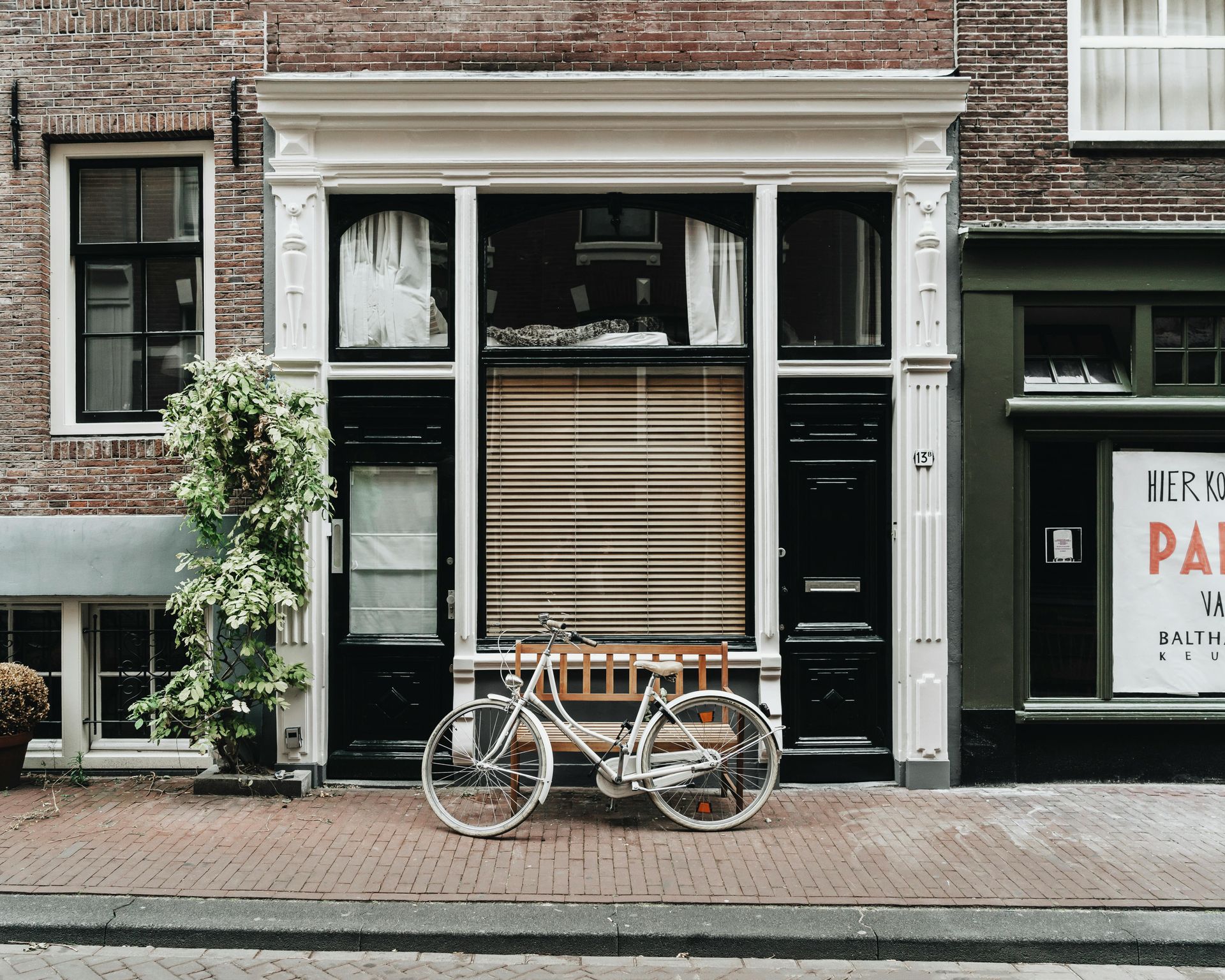
This project will examine how the design features (i.e. presence of gridded streets, sidewalks, treelined streets, porches, green space, etc.) of neighborhoods evolve in places that experience gentrification. In addition, how these changes affect the social and political behavior of both the “old-timers” (residents who lived there before gentrification) versus “newcomers” (residents who arrived during gentrification).
Respondents of the 2020 CMPS Survey were geocoded and placed into Census Tracts and the 2020 Census tract data was merged to the survey. The Census Data was used to identify which respondents lived in neighborhoods that experienced gentrification in the last ten years. In addition to merging in the Census tract data, I added measurements of each respondent’s neighborhood design. With the help of summer research assistants we developed a strategy for coding neighborhood design features both before and after gentrification using Google Street View to code the presence/absence of architectural features that scholars have argued help improve civic, social, economic, and physical well-being. This data collection is ongoing.
“Characteristics of Place”
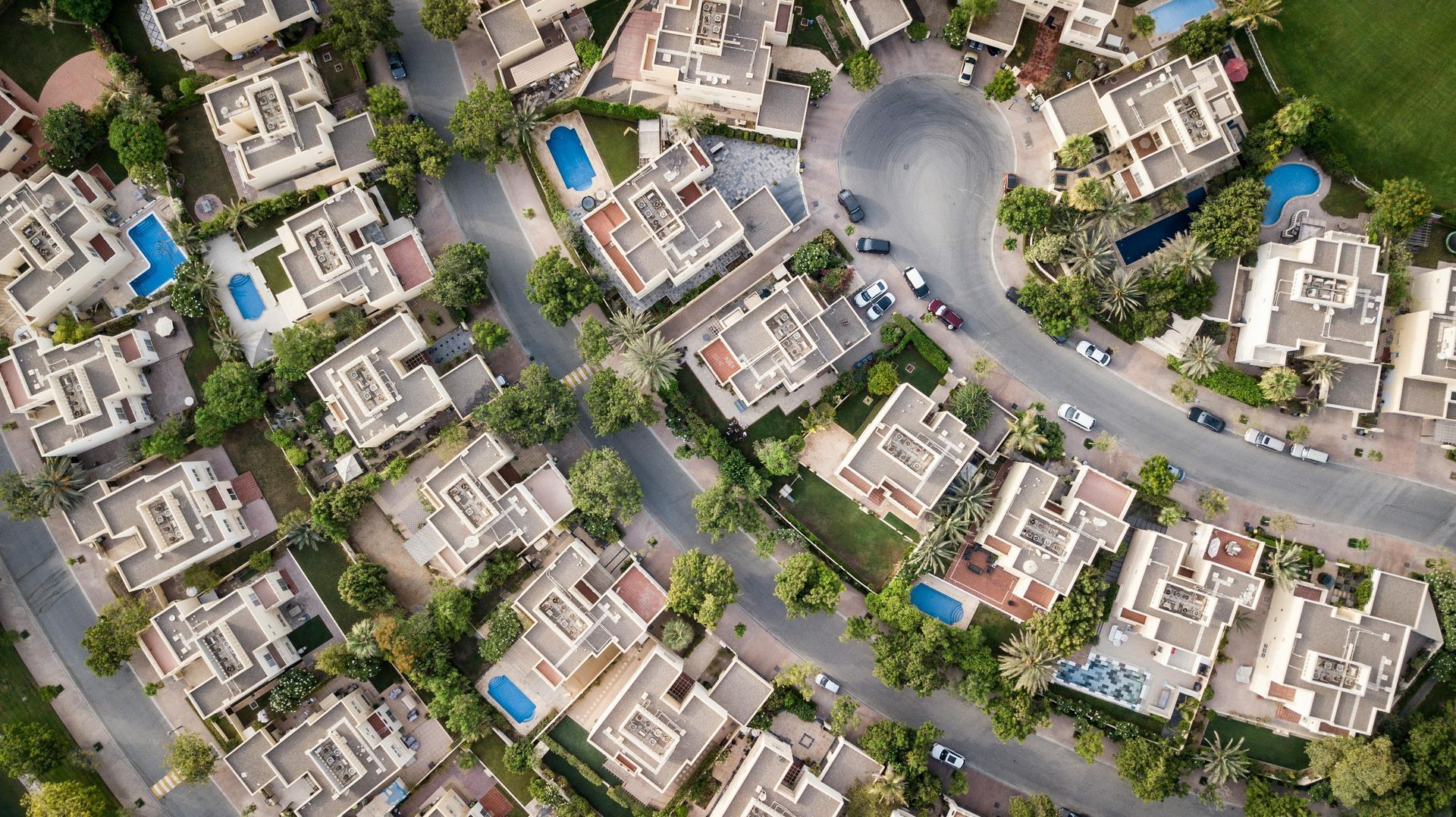
This dataset was compiled by the geocoding of the Social Capital Community Benchmark Survey, a nationally representative survey. The geocoded data was then spatially merged with Census Tract data. Finally, the physical/architectural features of respondents’ neighborhoods were then coded using Google Maps Images. The goal of this study was to see how the physical/architectural features of one’s neighborhood affected her interaction with her neighbors and subsequent political participation.
“Maine Poll Worker Recruitment and Attitudes”