
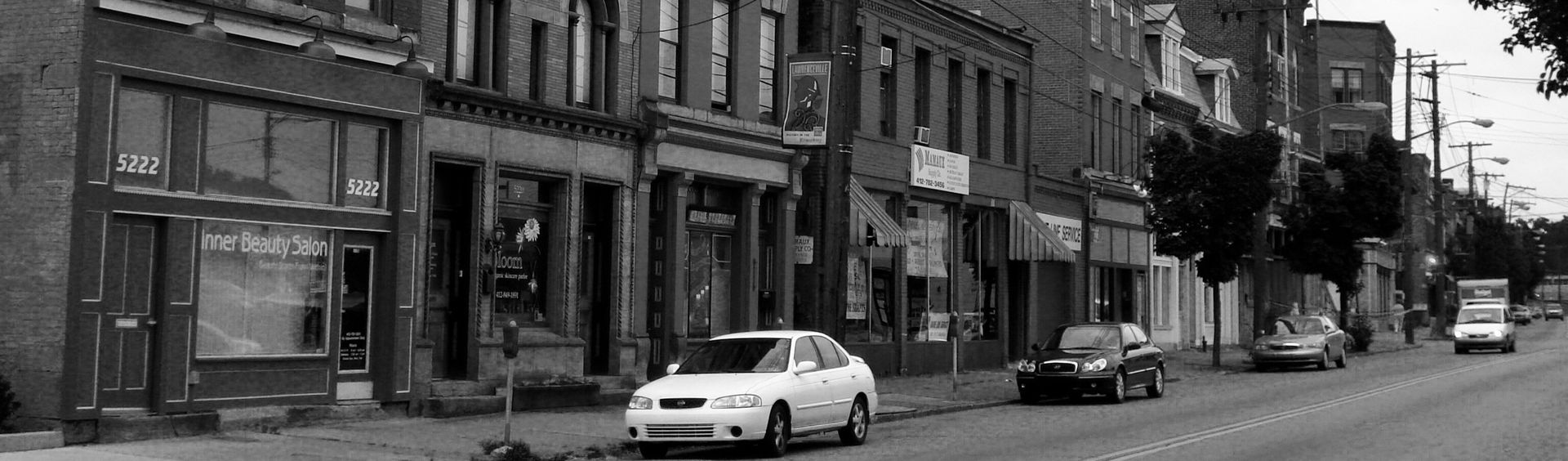
“Neighborhoods Matter: How Place and People Affect Political Participation"
Description
The unexpected impact of neighborhood design on civic engagement
Participation in official governmental institutions and activities has declined dramatically. Americans are less inclined to express trust in, or cooperate with, political leaders and each other to address society's most pressing problems. In Neighborhoods that Matter, Carrie LeVan explores this growing crisis in civic engagement, arguing that where we live –and the people who live around us– may be to blame.
Drawing on national surveys, census data, and spatial analysis, LeVan demonstrates how neighborhood design can dramatically impact political participation, including people's desire and ability to vote in local, state, and national elections. She argues that the suburbs, which isolate residents, require driving, and are zoned for single-use, do not provide an effective infrastructure for civic engagement. However, cities, which are often designed to be walkable, more interactive, and are zoned for mixed-use, provide a supportive environment where people and politics can thrive.
Ultimately, LeVan underscores how neighborhoods that support interaction, competition, collective action –and even conflict– can support greater civic engagement and political participation. Neighborhoods that Matter highlights the connection between politics, people, and place, calling for good suburban and urban design that can support a vibrant and engaging civic life.
Buy Now
The unexpected impact of neighborhood design on civic engagement
Participation in official governmental institutions and activities has declined dramatically. Americans are less inclined to express trust in, or cooperate with, political leaders and each other to address society's most pressing problems. In Neighborhoods that Matter, Carrie LeVan explores this growing crisis in civic engagement, arguing that where we live –and the people who live around us– may be to blame.
Drawing on national surveys, census data, and spatial analysis, LeVan demonstrates how neighborhood design can dramatically impact political participation, including people's desire and ability to vote in local, state, and national elections. She argues that the suburbs, which isolate residents, require driving, and are zoned for single-use, do not provide an effective infrastructure for civic engagement. However, cities, which are often designed to be walkable, more interactive, and are zoned for mixed-use, provide a supportive environment where people and politics can thrive.
Ultimately, LeVan underscores how neighborhoods that support interaction, competition, collective action –and even conflict– can support greater civic engagement and political participation. Neighborhoods that Matter highlights the connection between politics, people, and place, calling for good suburban and urban design that can support a vibrant and engaging civic life.
Table of Contents
- We All Live in Neighborhoods: When and Why Place and People Matter
- A Contextual Approach to Participation: An Introduction to the Place and People Model
- Coding Design: A Description of Methods and Sample Neighborhoods
- Porches and People: How Traditional Urban Design Affects Participation and Neighboring
- A Rising Tide or a Helping Hand: Who Benefits from Neighborhood Design?
- Now I See You, Now I Don't: How Design Hides or Highlights Co-Racial Neighbors
- Conclusion: Place, People, and Participation in a Gentrifying World
Reviews
Neighborhoods Matter is a timely advance in the study of political participation, elevating the concept of neighborhood design to an important influence on who engages in civic activities. It’s not just neighbors that matter—it is neighborhood design, a set of findings that are sure to lead to theoretical, empirical and practical consequences in today’s concerning political environment. ~Jan Leighley, author of Who Votes Now? Demographics, Issues, Inequality and Turnout in the United States
In Neighborhoods Matter, LeVan reveals how the built environment structures unequal access to political participation. She shows that neighborhood design can either constrain or activate civic engagement, especially in racially diverse communities where every day social contact is central to political voice. This is a timely and incisive contribution to scholarship on race, place, and democratic voice. This book will be essential reading for scholars of political participation, urban politics, and inequality, as well as for planners and policymakers concerned with building more inclusive democratic communities. ~Lorrie Frasure, author of Racial and Ethnic Politics in American Suburbs
Today, many Americans dream of living in vibrant, cohesive communities. LeVan shows that pedestrian-focused neighborhood design, as opposed to car-focused suburban enclaves, boosts civic engagement and voting for residents. Combining decades of survey data with new measures of what hundreds of neighborhoods actually look like today, LeVan demonstrates that places where interaction and connection between neighbors are more likely, and even if economic opportunities are scarce, see much higher rates of political participation among otherwise marginalized groups. LeVan therefore complicates simple narratives of housing, class, and civic participation, illuminating the ways in which the dream of suburban home ownership, and the more recent phenomenon of gentrification, can undermine political involvement. “Neighborhoods that Matter” is a must read for NIMBYs, YIMBYs, and all who want to build the engaged, connected neighborhoods so many of us long for. ~Bernard Fraga, author of The Turnout Gap: Race, Ethnicity, and Political Inequality in a Diversifying America
